
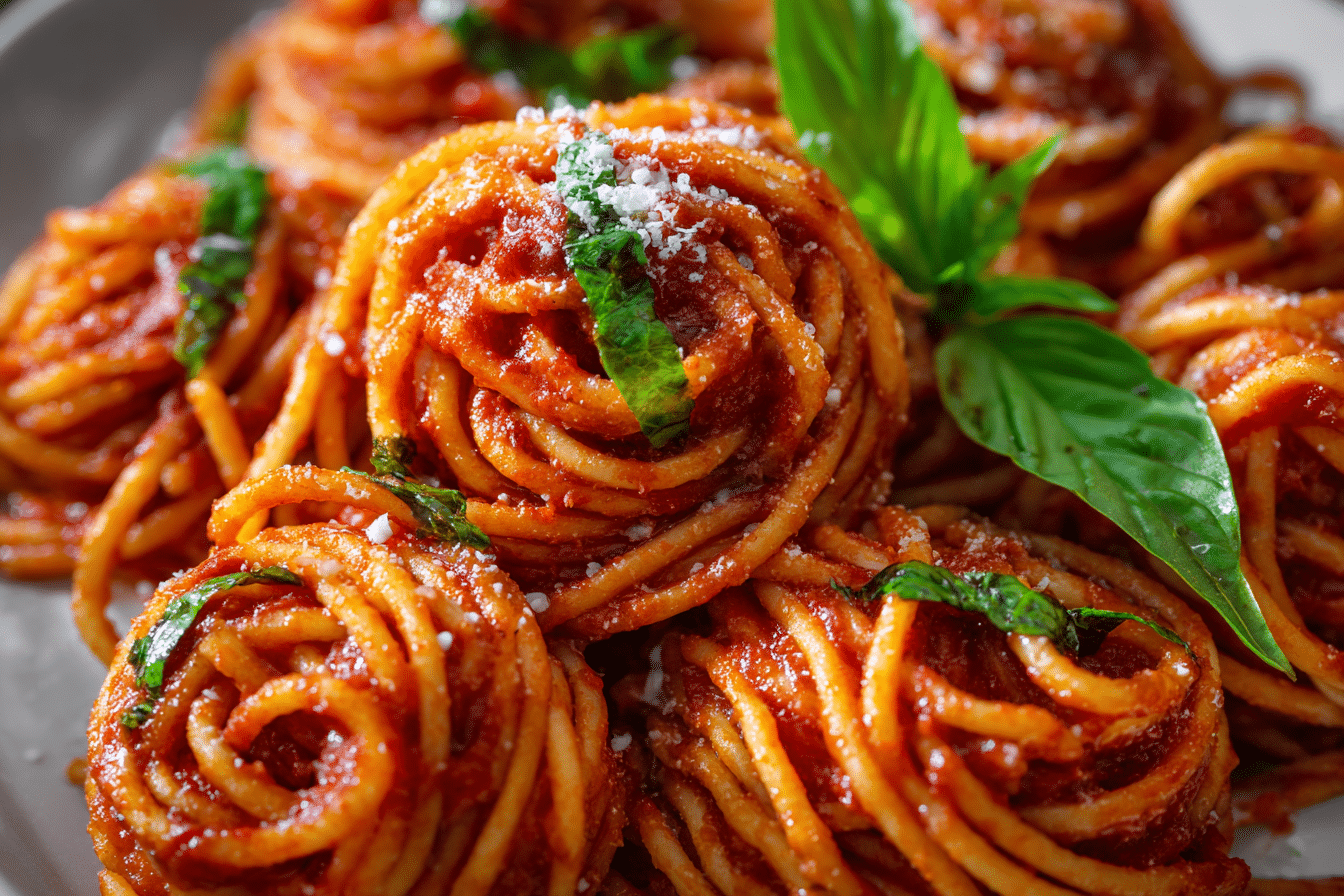
When it comes to bold, balanced flavors and rustic elegance, few chefs do it better than Gordon Ramsay. His spaghetti sauce recipe is a masterclass in simplicity — using just a few quality ingredients to build deep, savory flavor without fuss.
This recipe is rooted in Italian tradition, but with Ramsay’s signature touches: slow-simmered aromatics, a splash of red wine, and the perfect balance of acidity and sweetness. The result? A rich, velvety tomato sauce that clings to pasta beautifully and tastes like it came straight out of a Michelin-starred kitchen.
It’s not overly complicated or dressed up. In fact, it’s the kind of sauce you can (and should) make on a weeknight — yet it’s impressive enough for guests. Whether you’re cooking for family or perfecting your pasta game, this Gordon Ramsay-inspired spaghetti sauce delivers flavor in every bite.
Ingredients Overview
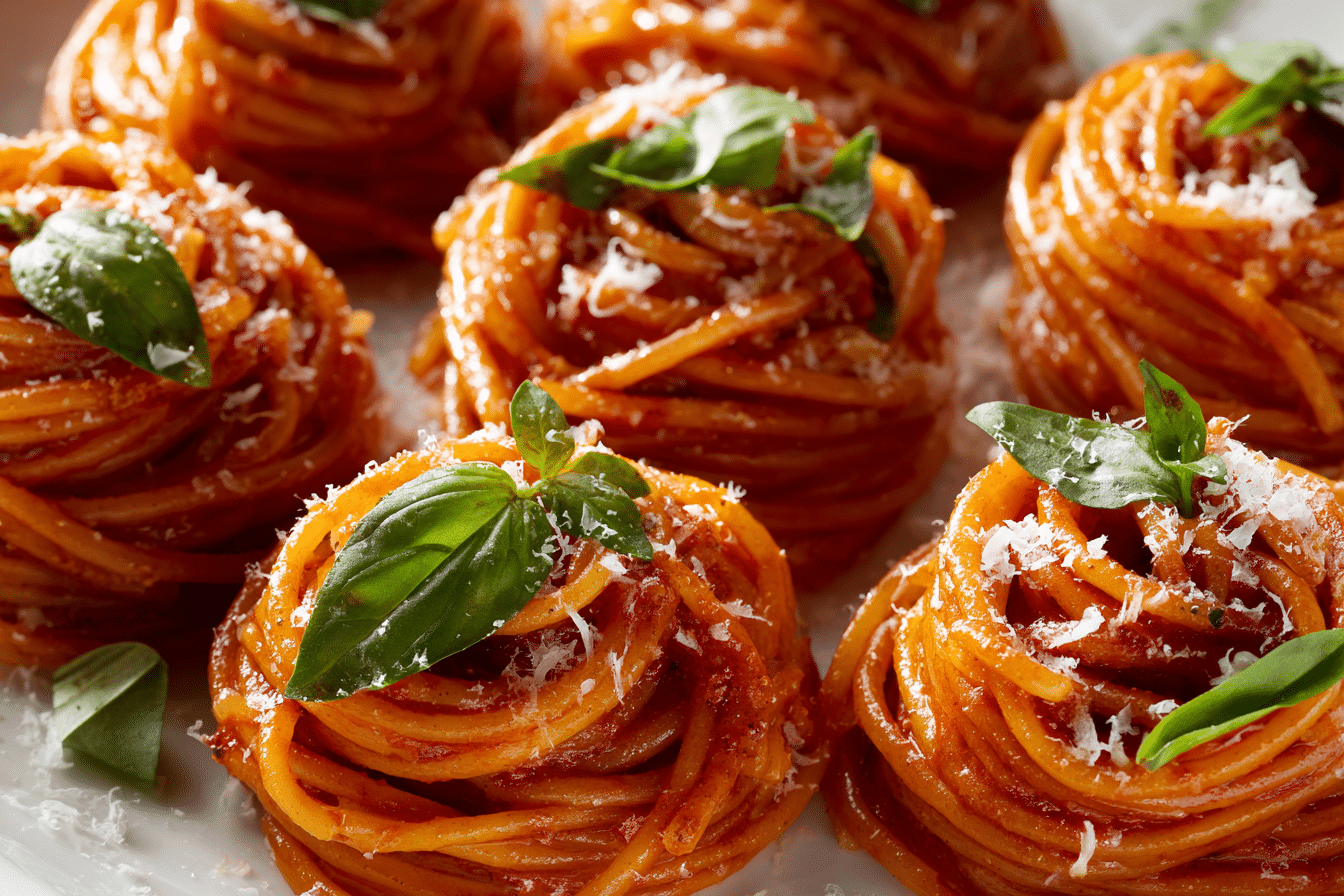
Each ingredient in this sauce is intentional — no fillers, no shortcuts. Here’s a breakdown of what makes this sauce so good:
-
Olive Oil: The base for sautéing aromatics. Use a good-quality extra virgin olive oil for rich depth.
-
Yellow Onion: Finely diced and sautéed until soft and sweet. Avoid red onions, which are too sharp for this sauce.
-
Garlic: Adds warmth and aroma. Ramsay typically uses 2–3 cloves, minced finely to avoid bitterness.
-
Carrot: Grated or finely chopped, it naturally sweetens the sauce and balances the acidity of the tomatoes.
-
Celery (optional): For a classic soffritto base. It adds earthiness and depth.
-
Crushed Tomatoes: Choose canned San Marzano tomatoes if available — they’re naturally sweet, low in acidity, and perfect for sauce. Avoid tomato puree, which lacks texture.
-
Tomato Paste: Adds richness, umami, and body. A tablespoon or two deepens the flavor significantly.
-
Red Wine: Ramsay’s signature touch — just a splash (about 1/4 to 1/3 cup) to add acidity and complexity. Choose a dry red wine like Chianti or Cabernet Sauvignon.
-
Fresh Basil: Torn or chopped and added at the end for a fresh, herbal lift. Dried basil can be used, but fresh is preferred.
-
Salt & Black Pepper: Essential for seasoning. Add in stages and taste frequently.
-
Sugar (pinch, optional): Only if the tomatoes are too acidic. Use sparingly.
This sauce is all about slow-building flavor, so avoid rushing. It’s designed to simmer gently, reducing and thickening naturally — no thickeners required.
Step-by-Step Instructions
This spaghetti sauce is made using classic techniques and a few chef-level secrets. Here’s how to get that restaurant-level taste at home:
1. Prepare Aromatics
-
Heat 2 tbsp olive oil in a heavy-bottomed skillet or saucepan over medium heat.
-
Add 1 finely chopped yellow onion and a pinch of salt.
-
Cook for 5–6 minutes until translucent and soft, stirring occasionally to avoid browning.
2. Add Garlic, Carrot, and Celery
-
Stir in 2 minced garlic cloves and 1/2 cup grated or finely chopped carrot.
-
Optional: Add 1/4 cup finely chopped celery for traditional soffritto.
-
Cook for another 3–4 minutes until vegetables are soft and aromatic.
3. Deglaze with Red Wine
-
Increase heat slightly and pour in 1/3 cup dry red wine.
-
Let it simmer for 2–3 minutes to reduce and cook off the alcohol.
-
Scrape up any bits from the bottom of the pan — this builds flavor.
4. Add Tomatoes and Paste
-
Stir in 1 tbsp tomato paste and cook for 1 minute to caramelize slightly.
-
Pour in a 28 oz can of crushed San Marzano tomatoes.
-
Stir everything together and bring to a gentle simmer.
5. Simmer Low and Slow
-
Reduce heat to low and let the sauce simmer uncovered for 25–35 minutes.
-
Stir occasionally, especially near the end, to prevent sticking.
-
The sauce will thicken naturally and deepen in color.
6. Finish with Basil and Seasoning
-
Season with salt and black pepper to taste.
-
Tear in a handful of fresh basil leaves and stir.
-
Optional: Add a small pinch of sugar if the sauce is still too tangy.
7. Blend for Smoothness (Optional)
-
For a silky texture, use an immersion blender directly in the pot or blend half the sauce and mix it back in.
-
Leave it chunky for a more rustic feel — Gordon Ramsay often prefers visible bits of veg for depth.
8. Serve
Toss immediately with al dente spaghetti or let it cool and refrigerate. The flavor improves after a day in the fridge.
Tips, Variations & Substitutions
-
Make it spicy: Add a pinch of red pepper flakes with the garlic.
-
Vegan-friendly: This sauce is naturally vegan and works with lentils or roasted vegetables for extra protein.
-
No wine? Sub with beef broth or a splash of balsamic vinegar for acidity.
-
Add meat: Brown Italian sausage, ground beef, or pancetta before the onions for a meaty ragu version.
-
Double the batch: This sauce freezes beautifully in freezer-safe containers for up to 3 months.
For a creamier variation, stir in a splash of heavy cream or butter at the end — but Ramsay usually keeps it rustic and tomato-forward.
Serving Ideas & Occasions
This spaghetti sauce isn’t just for spaghetti — though it’s a classic pairing for a reason. Its versatility makes it perfect for:
-
Pasta Dishes: Toss with spaghetti, penne, or rigatoni and top with Parmigiano-Reggiano.
-
Lasagna: Use as the base layer between pasta sheets and béchamel.
-
Eggplant or Chicken Parmesan: Spoon over breaded cutlets and bake with mozzarella.
-
Baked Ziti: Layer with ricotta and mozzarella and bake until bubbling.
-
Meatball Subs: Pour over meatballs in crusty sandwich rolls.
It’s ideal for cozy weeknight meals, weekend cooking projects, or impressing dinner guests with classic Italian flavors.
Nutritional & Health Notes
This sauce is packed with whole ingredients and healthy veggies, making it naturally:
-
Low in fat (unless meat is added)
-
Rich in vitamins A & C (from tomatoes and carrots)
-
High in antioxidants thanks to lycopene in tomatoes
Using extra virgin olive oil adds heart-healthy fats, while red wine (in moderation) brings out polyphenols that boost flavor and nutrition. With no added preservatives, it’s a cleaner, tastier alternative to jarred sauces.
For a lower sodium version, skip the salt until the end and adjust gradually to taste.
FAQs
Q1: What’s the best tomato to use in this sauce?
San Marzano canned tomatoes are ideal — they’re naturally sweet, low in acid, and have a rich, tomato-forward flavor. Look for whole peeled or crushed varieties.
Q2: Can I skip the wine?
Yes. While it adds complexity, you can substitute with a splash of beef or vegetable broth, or even a teaspoon of balsamic vinegar for tang.
Q3: Should I cover the sauce while simmering?
No. Leave it uncovered so the sauce reduces and thickens naturally. This concentrates the flavor and improves texture.
Q4: Can I add meat to make it a Bolognese-style sauce?
Absolutely. Brown ground beef, pork, or sausage before the onion step, then continue with the rest of the recipe.
Q5: How long does this sauce last?
Stored in an airtight container, it keeps well in the fridge for up to 5 days. You can also freeze it for up to 3 months.
Q6: How do I make the sauce less acidic?
Use carrots to naturally sweeten it, and a pinch of sugar at the end only if needed. Cooking it longer also reduces sharpness.
Q7: Should I blend the sauce?
It’s up to you. Ramsay sometimes leaves it rustic with visible vegetables. For a smoother finish, blend part or all of the sauce before serving.
Gordon Ramsay-inspired spaghetti sauce made with San Marzano tomatoes, red wine, garlic, and fresh herbs — rich, rustic, and perfect for pasta.
- Prep Time: 10 minutes
- Cook Time: 15 minutes
- Total Time: 25 minutes
- Yield: Serves 4
Ingredients
-
2 tbsp olive oil
-
1 yellow onion, finely chopped
-
2 garlic cloves, minced
-
1/2 cup grated carrot
-
1/4 cup finely chopped celery (optional)
-
1 tbsp tomato paste
-
28 oz can crushed San Marzano tomatoes
-
1/3 cup dry red wine
-
Salt and black pepper, to taste
-
Pinch of sugar (optional)
-
Handful of fresh basil leaves, torn
Instructions
-
Heat olive oil in a skillet over medium heat. Sauté onion until soft, 5–6 minutes.
-
Add garlic, carrot, and celery. Cook another 3–4 minutes.
-
Pour in wine, simmer 2–3 minutes to reduce.
-
Stir in tomato paste and crushed tomatoes. Bring to a simmer.
-
Reduce heat and simmer uncovered for 30 minutes, stirring occasionally.
-
Season with salt, pepper, and optional sugar.
-
Stir in basil before serving. Blend if desired for a smoother texture.